


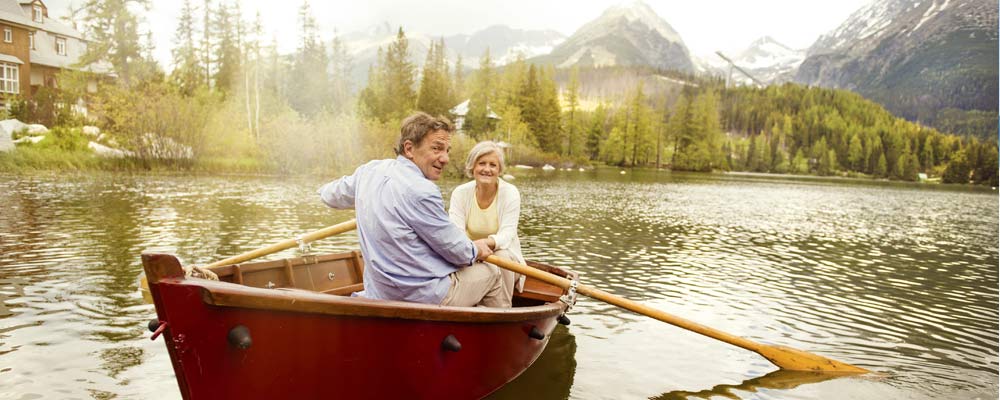
Why Is There Less Oxygen At Altitude?
Because atmospheric pressure decreases as you gain elevation, the air is less concentrated. Because the air is thinner, each breath brings in fewer air molecules. As a result, there is about 30% less oxygen in most Western ski resorts than at sea level.
What Is Altitude Simulation?
Altitude simulation involves adjusting oxygen levels. ACT’s system replicates oxygen concentrations similar to those found at sea level, creating an indoor environment that feels comparable to lower elevations.
Do You Still Acclimatize To Altitude If You Sleep In An Oxygenated Room?
Yes. Spending 6–9 hours sleeping in an ACT room still leaves 15–18 hours each day at altitude, providing ample exposure for the body to adjust naturally. Using this approach allows you to maintain that daily altitude exposure while creating a more comfortable nighttime environment. Even after adjusting to altitude, sleep quality can remain inconsistent, which is why oxygenating the bedroom can be a practical solution.
Can Adding Oxygen To My House Increase Fire Risk?
Not with an ACT system. Ordinary oxygenation can increase fire risk, but ACT’s system meets NFPA standards for safe oxygen levels, so there is no increased fire risk. ACT’s system has been tested by NFPA certified engineers and meets NFPA’s standard. ACT is the only company that meets this standard for fire-safe oxygen use.

“Providing oxygen during sleep is a side-effect-free way to treat altitude related insomnia.”
Peter Hackett, MD. Institute of Altitude Medicine
Are There Any Side Effects From Sleeping In An Oxygenated Room?
No. ACT’s oxygenation system is designed to increase indoor oxygen levels to conditions similar to those found at sea level. It is intended to enhance comfort at altitude and support a more restful nighttime environment.
Altitude Simulation Chart
Altitude (Feet) | Altitude (Meters) | Effective OxygenPercentage | Equivalent Location | Effective Altitude with ACT System |
| 0 | 0 | 20.9% | Seattle, Washington - Sea Level | Sea Level |
| 1,000 | 305 | 20.1% | San Antonio, Texas (1,000 ft - 305m) | Sea Level |
| 2,000 | 610 | 19.4% | Tucson, Arizona (2,389 ft - 728m) | Sea Level |
| 3,000 | 914 | 18.6% | Billings, Montana (3,123ft - 952m) | Sea Level |
| 4,000 | 1,219 | 17.9% | Salt Lack City, Utah (4,226ft - 1,288m) | Sea Level |
| 5,000 | 1,524 | 17.3% | Denver, CO (5,280ft - 1,609m) | Sea Level |
| 6,000 | 1,829 | 16.6% | Jackson, Wyoming (6,237ft - 1,901m) | Sea Level |
| 7,000 | 2,134 | 16.0% | Flagstaff, Arizona (6,910ft - 2,106m) | Sea Level |
| 8,000 | 2,438 | 15.4% | Vail, Colorado (8,380ft - 2,554m) | 1,000 |
| 9,000 | 2,743 | 14.8% | Breckenridge, Colorado (9,000ft - 2,743m) | 2,000 |
| 10,000 | 3,048 | 14.3% | Leadville, Colorado (10,200ft - 3,109m) | 3,000 |
| 11,000 | 3,353 | 13.7% | La Paz, Bolivia (11,975ft - 3,650m) | 4,000 |
| 12,000 | 3,658 | 13.2% | Peak of Crested Butte, CO (12,162ft - 2,562m) | 5,000 |
| 13,000 | 3,962 | 12.7% | Huanuni, Bolivia (13,020ft - 3,970m) | 6,000 |
| 14,000 | 4,267 | 12.3% | Pikes Peak Mountain Summit (14,115ft - 4,302m) | 7,000 |
| 15,000 | 4,572 | 11.8% | Monte Rosa, Switzerland (15,203ft - 4,623m) | 8,000 |
| 16,000 | 4,877 | 11.4% | Wenquan, Qinghai, China (15,980ft - 4,870m) | 9,000 |
| 17,000 | 5,182 | 11.0% | Mount Kenya, Kenya (17,057ft - 5,199m) | 10,000 |
| 18,000 | 5,486 | 10.5% | Lascar Volcano, Andes, Chile (18,346ft - 5,592m) | 11,000 |
| 19,000 | 5,791 | 10.1% | Mount Logan, Yukon, Canada (19,551ft - 5,959m) | No Human Habitations |
| 20,000 | 6,096 | 9.7% | Mt. McKinley, Denali, Alaska (20,236ft - 6,168m) | No Human Habitations |
| 21,000 | 6,401 | 9.4% | Coropuna, Andes, Peru (21,079ft - 6,425m) | No Human Habitations |
| 22,000 | 6,706 | 9.0% | Llullaillaco, Andes, Argentina/Chile (22,142ft - 6,739m) | No Human Habitations |
| 23,000 | 7,010 | 8.7% | Link Sar, Karakoram, Pakistan (23,100ft - 7,047m) | No Human Habitations |
| 24,000 | 7,315 | 8.4% | Saraghrar, Hindu Kush, Afghanistan (24,111ft - 7,349m) | No Human Habitations |
| 25,000 | 7,620 | 8.1% | Kongur Tagh, Kongur Shan China (25,095ft - 7,661m) | No Human Habitations |
| 26,000 | 7,925 | 7.8% | Annapurna, Himalayas, Nepal (26,5450ft - 8,091m) | No Human Habitations |
| 27,000 | 8,230 | 7.5% | Makalu, Mahalangur, Himalaya (27,838ft - 8,485m) | No Human Habitations |
| 28,000 | 8,534 | 7.2% | K2, Baltoro, Karakoram, Pakistan (28,251ft - 8,6169m) | No Human Habitations |
| 29,000 | 8,839 | 6.9% | Mount Everest, Himalaya (29,029ft - 8,848m) | No Human Habitations |
| 30,000 | 9,144 | 6.3% | Outside of Commercial Airliner in Flight | No Human Habitations |
What Is Altitude Simulation?
Higher elevations offer breathtaking views and crisp mountain air, but they also bring thinner air and lower oxygen levels. For many people, that change can make nighttime comfort more challenging. Altitude Control Technology specializes in altitude simulation solutions that help recreate a more sea-level–like environment indoors, supporting better comfort and rest regardless of elevation.
Altitude simulation is the process of adjusting indoor oxygen levels to replicate the oxygen availability typically experienced at lower elevations. Rather than simply circulating air, a professionally engineered system carefully increases oxygen concentration within a room to compensate for the reduced oxygen partial pressure at higher altitudes. The goal is to help create an environment that feels closer to sea level, particularly in bedrooms where restorative sleep matters most.
Why Oxygen Levels Change at Elevation
As elevation increases, barometric pressure decreases. That drop in pressure means there are fewer oxygen molecules available in each breath. Even though the percentage of oxygen in the air remains relatively constant, the reduced atmospheric pressure makes oxygen less available to the body.
For some individuals, this change can lead to common altitude-related discomforts. Nighttime symptoms may include headaches, interrupted sleep, or a general feeling of restlessness. While many people eventually adapt, others continue to experience discomfort—especially when sleeping at higher elevations.
Altitude simulation addresses this challenge by increasing indoor oxygen levels in a controlled way. By doing so, it helps create conditions that feel more like a lower-altitude setting, supporting greater comfort throughout the night.
What Is Altitude Simulation?
An altitude simulation chamber is a controlled indoor environment designed to adjust oxygen levels to simulate a different elevation. In residential settings, this often takes the form of a whole-room system installed directly into a bedroom. Instead of requiring a mask or enclosed pod, modern systems can oxygenate the entire room, allowing users to sleep naturally in their own space.
Altitude Control Technology develops whole-room altitude simulation chamber solutions that integrate seamlessly into existing homes. These systems work quietly and efficiently, maintaining a stable oxygen level throughout the night. By carefully managing oxygen concentration, they help create a more comfortable and supportive sleep environment.
Unlike temporary oxygen devices, a whole-room altitude simulation system is designed for long-term, consistent use. It delivers even distribution throughout the space, ensuring the entire bedroom benefits from enhanced oxygen levels.
Introducing the Altiflo™ Whole-Room Oxygenation System
Altitude Control Technology’s Altiflo™ system is designed to bring the benefits of altitude simulation directly into the bedroom. This advanced whole-room oxygenation solution increases indoor oxygen levels to create a more sea-level–like environment while you sleep.
The Altiflo™ system is engineered for precision and reliability. Installed directly into the room, it monitors and adjusts oxygen levels to maintain a consistent setting. Many users report that sleeping in a room supported by altitude simulation helps reduce common altitude-related discomforts such as headaches and restless sleep.
By transforming a bedroom into a controlled altitude simulation chamber, the Altiflo™ system allows homeowners at elevation to enjoy comfort comparable to lower-altitude living. Regardless of how high your home sits above sea level, your bedroom can feel more like it’s located at a lower elevation.
How Altitude Simulation Supports Restful Sleep
Sleep is one of the times when the body is most sensitive to oxygen availability. At higher elevations, some individuals experience lower oxygen saturation during the night. This can contribute to fragmented sleep and reduced overall restfulness.
Altitude simulation works by increasing the amount of oxygen available in the air within a bedroom. By improving oxygen availability, the environment may feel more comfortable and supportive for sleep. Many users find that a more sea-level–like bedroom environment helps them wake up feeling more refreshed. Systems are engineered to maintain oxygen concentrations within safe residential limits.
The benefits are not limited to permanent residents of high-altitude areas. Guests visiting mountain homes or resorts may also notice altitude-related discomfort during their stay. Installing an altitude simulation system can help create a welcoming and comfortable experience for visitors who are not acclimated to elevation.
Designed for Seamless Integration
A key advantage of a whole-room altitude simulation system is that it operates discreetly within your existing space. There is no need to alter your sleeping routine or use wearable equipment. Once installed, the system works in the background, quietly maintaining your preferred oxygen level.
Altitude Control Technology designs its systems for durability, efficiency, and ease of use. Homeowners can set their desired conditions and allow the system to automatically maintain them. Because the entire room is oxygenated, both occupants benefit equally, making it an ideal solution for couples or shared spaces.
An altitude simulation system solution can be customized to suit different room sizes and layouts. Whether installed in a primary bedroom, guest suite, or luxury mountain retreat, the system is engineered to deliver consistent results.
Beyond the Bedroom: Broader Applications
While many residential installations focus on improving nighttime comfort, altitude simulation technology also has broader applications. Research facilities, training centers, and specialized environments may use an altitude simulation chamber to study physiological responses or prepare individuals for specific elevation conditions.
In all applications, precision and safety are paramount. Professional altitude simulation systems are designed with integrated monitoring and control mechanisms to ensure stable and reliable performance. This commitment to quality is central to Altitude Control Technology’s approach.
Living Comfortably at Any Elevation
Mountain living offers undeniable advantages, but thinner air does not have to compromise your comfort. Altitude simulation provides a practical solution for individuals seeking a more sea-level–like experience while sleeping at elevation.
By installing an altitude simulation system chamber solution such as the Altiflo™ whole-room oxygenation system, homeowners can transform their bedrooms into environments designed for enhanced comfort. Many users find that this shift helps reduce altitude-related discomfort and supports more restful sleep.
Regardless of elevation, your bedroom can feel more like a lower-altitude setting. With professionally engineered altitude simulation technology, comfort and restorative sleep are within reach.
To learn more about how altitude simulation works and how an in-home altitude simulation system can support your lifestyle, explore the solutions available from Altitude Control Technology.