
Facebook

What Is Altitude Sickness?

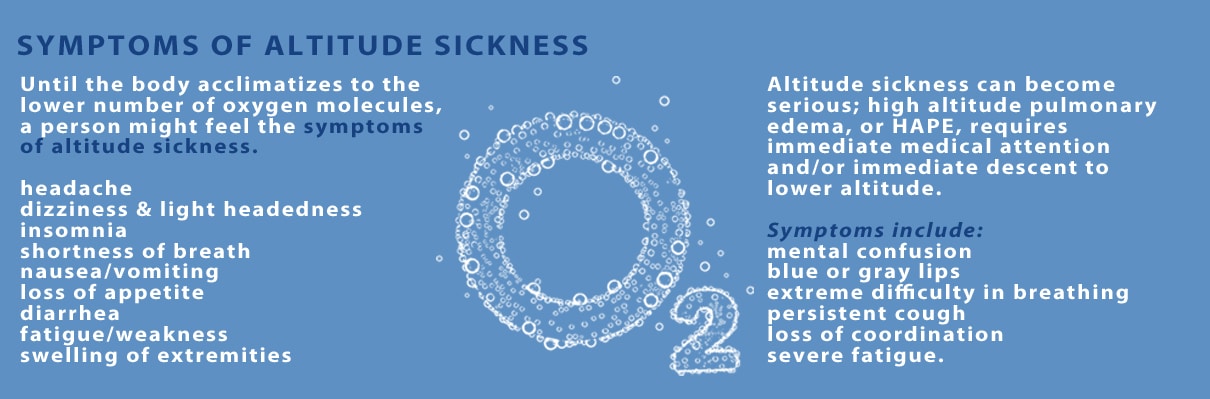
Altitude sickness is a condition associated with high elevation and reduced oxygen availability. Common effects can include headaches, tiredness, difficulty sleeping, and dizziness. In more severe cases, altitude-related illness can progress to conditions such as high-altitude pulmonary edema (HAPE) or high-altitude cerebral edema (HACE), which can be life-threatening.

How Does Oxygenation Prevent Altitude Sickness?

Traditionally, people have sought relief from the challenges of altitude by spending time at lower elevations, where oxygen is more readily available. Oxygenating your bedroom with a system from Altitude Control Technology is designed to create a similar lower-altitude–like environment indoors. It can feel as though you return to sea level each night to sleep, then wake feeling refreshed and ready to enjoy your mountain home. Spending several hours overnight in an oxygen-enriched room provides a break from continuous exposure to lower-oxygen conditions at elevation, supporting greater nighttime comfort and a more enjoyable experience at altitude.

Awesome Image

“Providing oxygen during sleep is a side-effect-free way to treat altitude related insomnia.”

How Can I Prevent Altitude Sickness In My Home?

Ascend Gradually Spend a day or two at 5,000 feet, then gain 1,000 feet per day.

Hydrate Water vapor is lost from the lungs more quickly at altitude. Dehydration symptoms can mimic altitude sickness. Drink extra water. Avoid alcohol and coffee which exacerbate dehydration.

Eat Fewer Fats & Proteins Foods high in fats and proteins are harder to digest, and consume more oxygen and direct blood flow to the gut. Instead, eat more carbohydrates, like pasta and vegetables.

Take It Easy The body needs more oxygen when it’s working. Don’t exert too much. Make your first day or two at altitude easy ones.

Sleep Low Altitude can make sleep feel more challenging, and oxygen levels in the body may decrease overnight at higher elevations. Sleeping at a lower altitude—or in an oxygenated environment—can create more comfortable nighttime conditions, helping you rest more easily and fully enjoy your time and activities in the mountains.

Watch For Symptoms The most prominent symptoms of acute altitude sickness are a headache, sleep disturbances, and fatigue. The cure is to descend or get more oxygen. If you experience more extreme symptoms, seek immediate medical attention.

Your Altitude Questions Answered

  • Do children get altitude sickness?

    Several studies have shown that children have similar rates of mountain sickness, pulmonary edema and cerebral edema as adults. Children do get altitude sickness, but the very young are often unable to communicate their headache and other symptoms. Excessive crying at altitude could be altitude illness.
  • Why are six to eight hours with oxygen sufficient to prevent altitude sickness?

    Six to eight hours of oxygenation restores your body to sea-level conditions. Altitude sickness generally does not start immediately. It usually needs one or two days at altitude before symptoms develop. Oxygen interrupts the exposure to hypoxia and “restarts the clock” on altitude sickness. Oxygenation eliminates the cause of altitude-related insomnia. So you sleep better and feel better upon awakening.

  • What causes mountain sickness?

    There is less oxygen at altitude; it should be no surprise that it causes people to feel unwell. How this shortage of oxygen leads to altitude sickness is still not fully understood. Many scientists believe it is due to swelling of the brain caused by increased blood flow. Two things are certain to make altitude sickness worse. 1) Ascending to altitude quickly – such as in a flight from sea level to Aspen or Vail. 2) Exercising before full acclimatization – exactly what most do on ski vacations. Physically fit individuals can get altitude sickness as well as the unfit.

  • Can mountain sickness become serious?

    Yes. Acute mountain sickness can progress to high altitude pulmonary edema (HAPE) or high-altitude cerebral edema (HACE). Both can be fatal. It is good to take cases of mountain sickness seriously and watch for symptoms of HAPE or HACE.

  • What is high altitude pulmonary edema?

    High altitude pulmonary edema (HAPE) is a life-threatening condition where fluid accumulates in the lungs at altitudes above 8,000 feet, usually developing within 2-3 days. Symptoms include acute mountain sickness, breathlessness, cough with white or pink frothy sputum, a sound resembling crumpled paper when breathing, rapid heart rate, blue lips, and elevated body temperature. HAPE can be mistaken for infections but requires immediate hospitalization at its onset. Prompt oxygen administration can prevent HAPE.

  • What is high altitude cerebral edema?

    High altitude cerebral edema (HACE) is a potentially fatal fluid buildup in the brain, considered a severe form of acute mountain sickness. Urgent treatment is essential. Symptoms include severe headache, vomiting, lethargy, ataxia (unsteadiness), confusion, drowsiness, and possible coma. A useful diagnostic test is the inability to walk heel-to-toe in a straight line. Irrational or bizarre behavior may also indicate HACE. It can lead to death within hours, necessitating immediate hospitalization. Administering oxygen can prevent HACE.

Awesome Image
Go To Top